

Key takeaways
- What's the difference between a brand film and a commercial?
- People don't hate ads. They hate wasted time.
- What the research says about story-led films
- What it looks like in practice: Mount Med
- When a classic commercial is still the right call
A commercial asks for thirty seconds. A brand film has to earn six minutes.
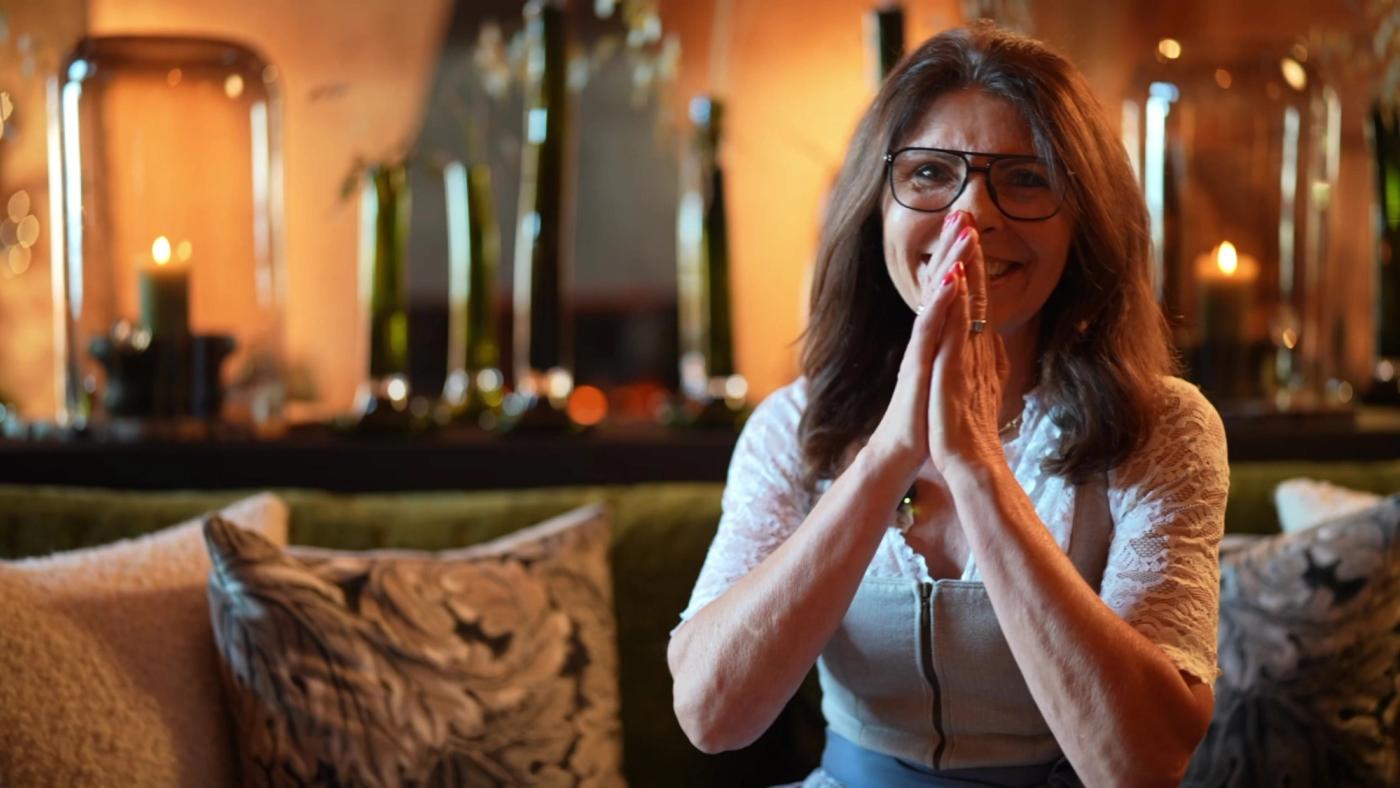
That difference changes everything about how you make them, and most brands only ever think about the first one. I make both. Short commercials for digital and TV, and documentary-style films like the one I recently shot for Mount Med Resort in the Austrian Alps, where six members of staff tell the story in their own words, with no actors.
The short answer: a commercial is built to be remembered. A brand film is built to be believed. They do different jobs, most brands need both, and the most efficient way to get both is to shoot one story properly and cut the ads out of it.
What's the difference between a brand film and a commercial?
A commercial sells something specific, now: a product, an offer, a launch date. A brand film makes people feel something about who you are, so that when they're ready to buy, you're the one they already trust.
- The job. Commercial: get an action this week. Brand film: build trust that pays off for months.
- The length. Commercial: 6 to 60 seconds. Brand film: usually two to ten minutes.
- Who speaks. Commercial: actors and a voiceover. Brand film: the real people behind the brand.
- Where it lives. Commercial: paid slots and pre-roll. Brand film: your website, YouTube, sales meetings, events, and paid media too.
- How long it stays useful. Commercial: one campaign. Brand film: years, if it's honest.
- What it moves. Commercial: recall and clicks. Brand film: how people feel about you.
People don't hate ads. They hate wasted time.
There's a lazy line in my industry that says everyone hates ads. The data doesn't back it up. Kantar's Media Reactions 2025 found that 57% of people worldwide now describe themselves as receptive to ads, ten points higher than the year before. Consumers' favourite ad channels were point-of-sale, in-person sponsored events and cinema. Cinema and live events, at least, are places where an ad gets time and full attention.
People will give you their attention. They just want something back for it.
What the research says about story-led films
Emotion pays, but it pays later
One of the most cited works on this is Les Binet and Peter Field's The Long and the Short of It, built on the IPA's effectiveness database. Among their findings: over the long term, emotional campaigns are almost twice as likely as rational ones to produce very large profit gains. The same work puts the best budget split at roughly 60% brand building and 40% short-term sales activation.
Keep that second number in mind. It means ads still have a job, and I'll come back to it.
Short ads get remembered. Longer stories get liked.
Google tested this directly in 2015 with Honey Maid, running the same ad on YouTube as a 15-second spot, a 30-second spot and a 2:17 film. In the study, the 15-second cut was the only one that drove a significant lift in ad recall. The two longer cuts did better at lifting brand favorability. Only about 15% of viewers watched the full 2:17, which was still more than twice the typical benchmark for packaged-goods videos of that length, and one of Google's three lessons was blunt: don't leave your brand for last.
So a short ad does one thing well: it makes people remember you exist. A longer story does something else. It makes them like you.
Real people beat polish
Animoto's 2026 State of Video report found that "feeling personal and authentic" is the most important quality in a brand video, at 43%, and nearly 68% of consumers mentioned featuring real people as something that helps. It also found 36% of consumers say an AI-generated video would lower their perception of a brand. It's a small US sample, so treat it as a signal rather than a law, but it matches what I see on set.

Trust works the same way. Nielsen's 2021 Trust in Advertising study, with more than 40,000 respondents, found that 88% of people trust recommendations from people they know more than any other channel. A brand film isn't a recommendation from a friend. But a chef, a trainer or a receptionist talking honestly about their work sits a lot closer to one than an actor reading a script does.
And it works at scale
Dove's Real Beauty Sketches is still the reference. An FBI-trained forensic artist drew seven women twice: once from their own description of themselves, once from a stranger's. Dove announced in May 2013 that, less than a month after launch, the film had become the most viewed online video ad of all time, according to Unruly's Viral Video Chart, with more than 114 million views. A story, not a product demo.
What it looks like in practice: Mount Med
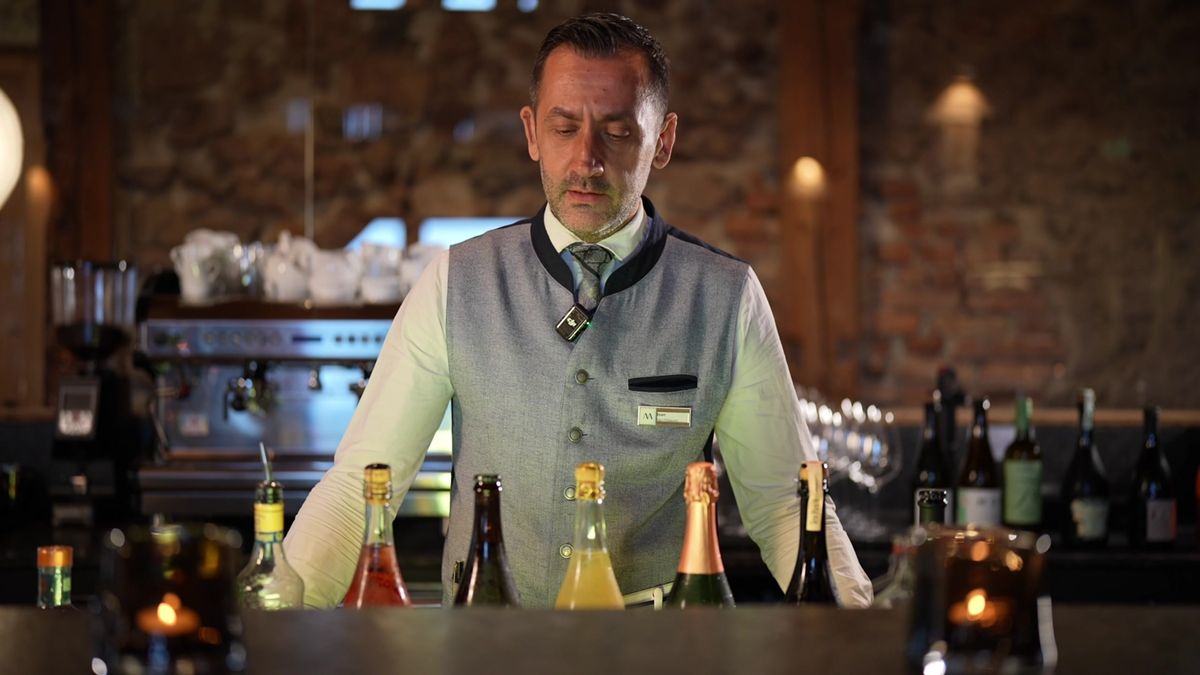
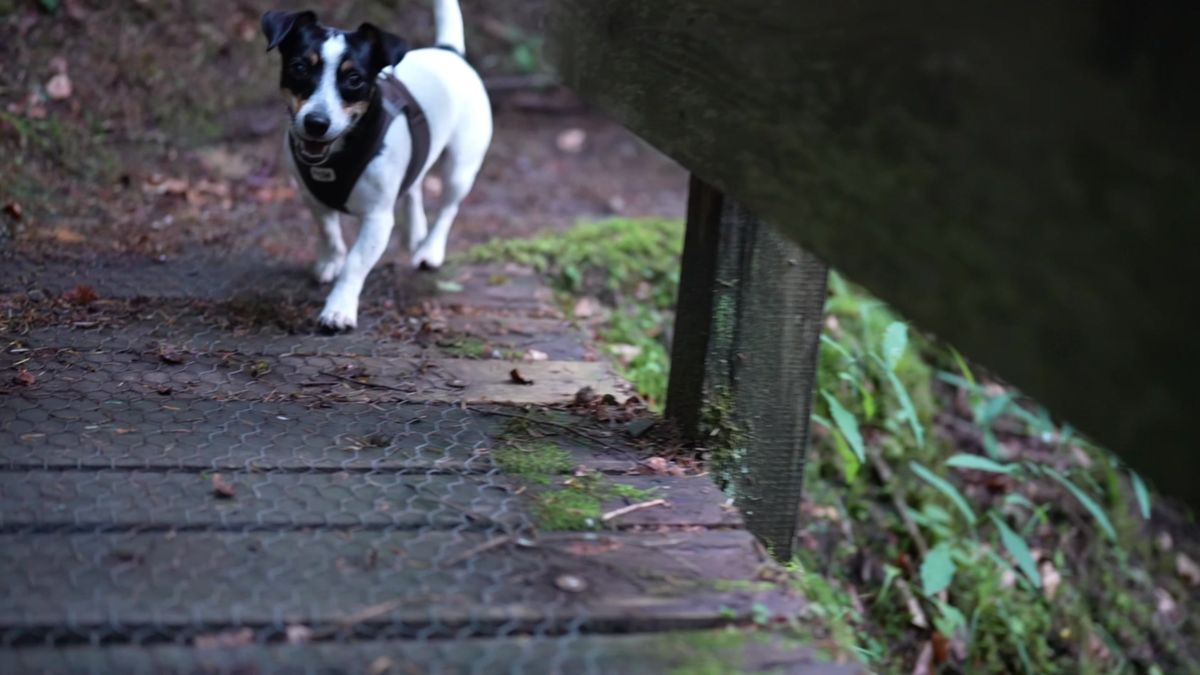
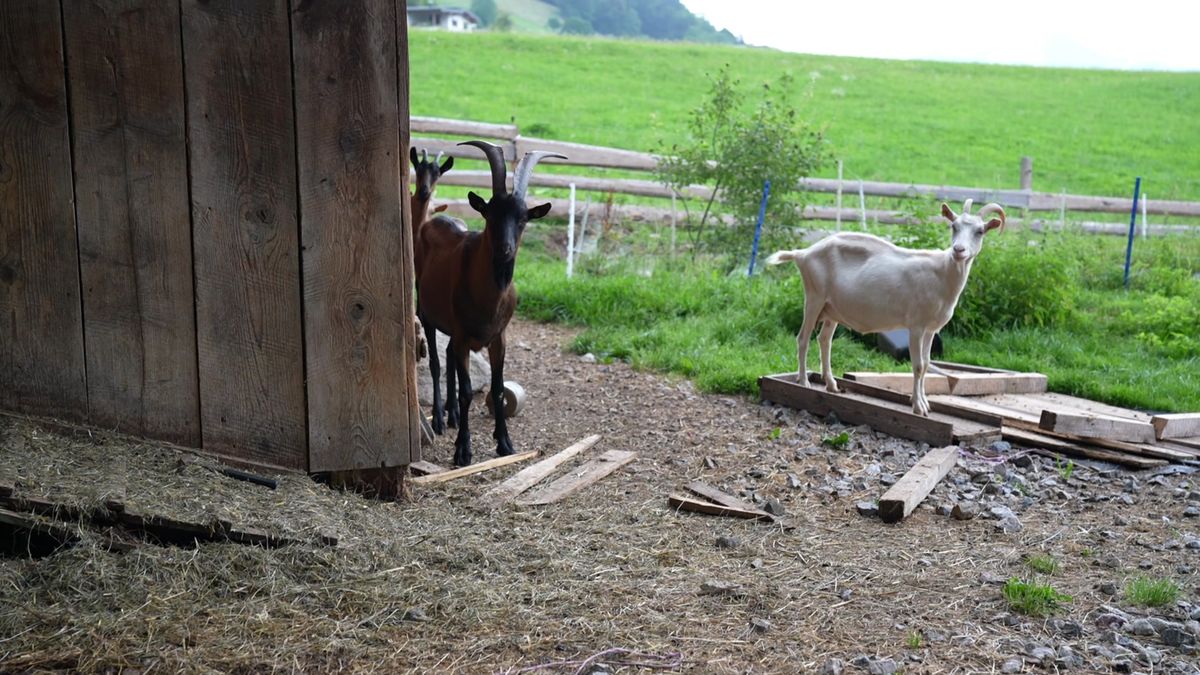
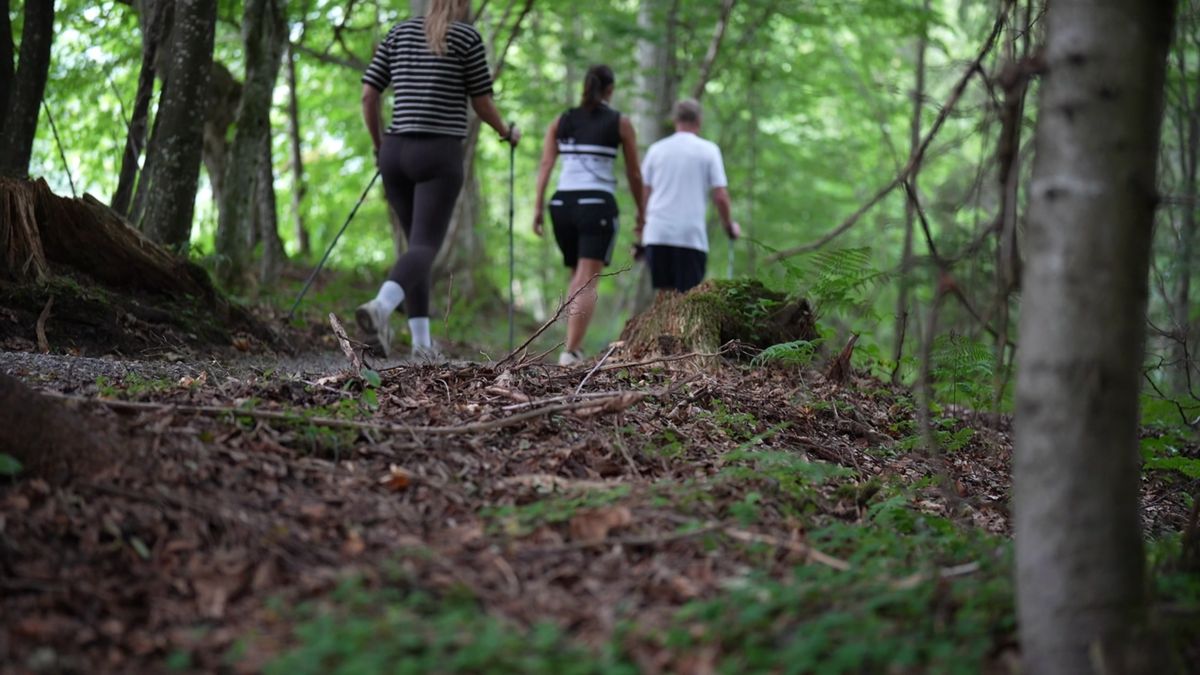
When I filmed Mount Med Resort in Tyrol, the brief was to make people feel a stay before they book one. Wellness marketing is drowning in slow-motion spa shots, so I went the other way: six members of staff, no actors, no interview longer than three minutes, and an edit that moves through a stay the way a guest lives it, from diagnostics to the mountains.
The general manager carries the thread. The chef de rang presents their drinks and explains they can recreate any cocktail without alcohol or sugar. The receptionist, asked what brings her in every day, says she loves the guests. None of that fits in thirty seconds, and all of it makes you trust the place. I wrote up the whole shoot in the Mount Med case study.
When a classic commercial is still the right call
I'd be lying if I said a brand film is always the answer. A short commercial wins when:
- you have a launch date, an offer or a deadline, and you need people to act this week;
- the message is one fact (a price, an opening, a new product) that doesn't need a story;
- the placement is short by nature, like a six-second bumper or a pre-roll slot;
- you're retargeting people who already know you and just need a nudge.
Binet and Field's split says the same thing: brand building deserves the bigger share, but sales activation still gets its 40%. Where brands go wrong is spending everything on the 40% and wondering why nobody remembers them a month later.
The smart move: shoot one story, cut everything from it
This is how I'd plan any brand shoot today. You film the story properly once, then cut it into everything you need:
- The hero film, two to seven minutes, for your website, YouTube and sales meetings.
- A 60-second and a 30-second cut for paid video, built around the strongest emotional moment.
- Six to 15-second cuts for bumpers and retargeting, where recall is the goal.
- Vertical clips for Reels, TikTok and Shorts, often a single line from one interview.
That covers both jobs from the Google test: the short cuts get remembered, the long film gets liked. It also matches how people say they want to watch. In Wyzowl's 2026 video marketing survey, 63% said a short video is how they'd most like to learn about a product or service, and 84% want to see more video from brands overall. It's a small survey too (266 respondents), and the Animoto report points the same way: 61% of consumers prefer videos under a minute, and only 5% want videos of two minutes or longer.
So most people won't sit through six minutes cold, and they don't have to. The short cuts reach everyone. The hero film is for the smaller group who click through because they're already interested, which is exactly the group closest to buying.
Is a brand film right for your business?
It usually is if:
- what you sell is hard to understand from a photo: a service, a place, an experience;
- trust is what stands between a visitor and a booking;
- your sale is high-ticket, or takes weeks to decide;
- you need content that will still work a year from now.
If all you need is to announce a sale next Friday, make the ad.
FAQ
What is a brand film?
A brand film is a story-led video, usually two to ten minutes long, that shows who a company is rather than pushing a single product. It often uses the real people behind the business instead of actors.
What's the difference between a brand film and a commercial?
A commercial sells something specific right now and is built to be remembered. A brand film builds trust over time and is built to be believed. Most brands need both, and both can come from the same shoot.
How long should a brand film be?
Long enough to tell one story well, and no longer. The Mount Med film runs 6:44. For most brands that means two to seven minutes for the hero film, plus short cutdowns for ads and social.
Is a brand film more expensive than a commercial?
Not necessarily. A documentary-style film with your own team skips actors, casting and sets, which are big lines in a commercial budget. What it needs instead is time on location and a director who can get real people talking. For real numbers, see what video production costs in Dubai.
Can a brand film run as an ad?
Yes, as cutdowns. A 30 or 60-second cut built around the strongest moment works as paid video, and the full film is there for the people who click through and want more.
Start with the story
If people need to trust your brand before they buy, there's probably a film in it already. I shoot brand films and commercials from Paris and Dubai, and I'll tell you honestly which one you need.
Tell me what you're working on.