Key takeaways
- Who I was filming for
- Three days is not three days
- The sound problem, which is the real problem
- The kit, and why it was that kit
- Heat and dust are equipment problems
Jet engines destroy audio. That is the first thing you plan around at an airshow.
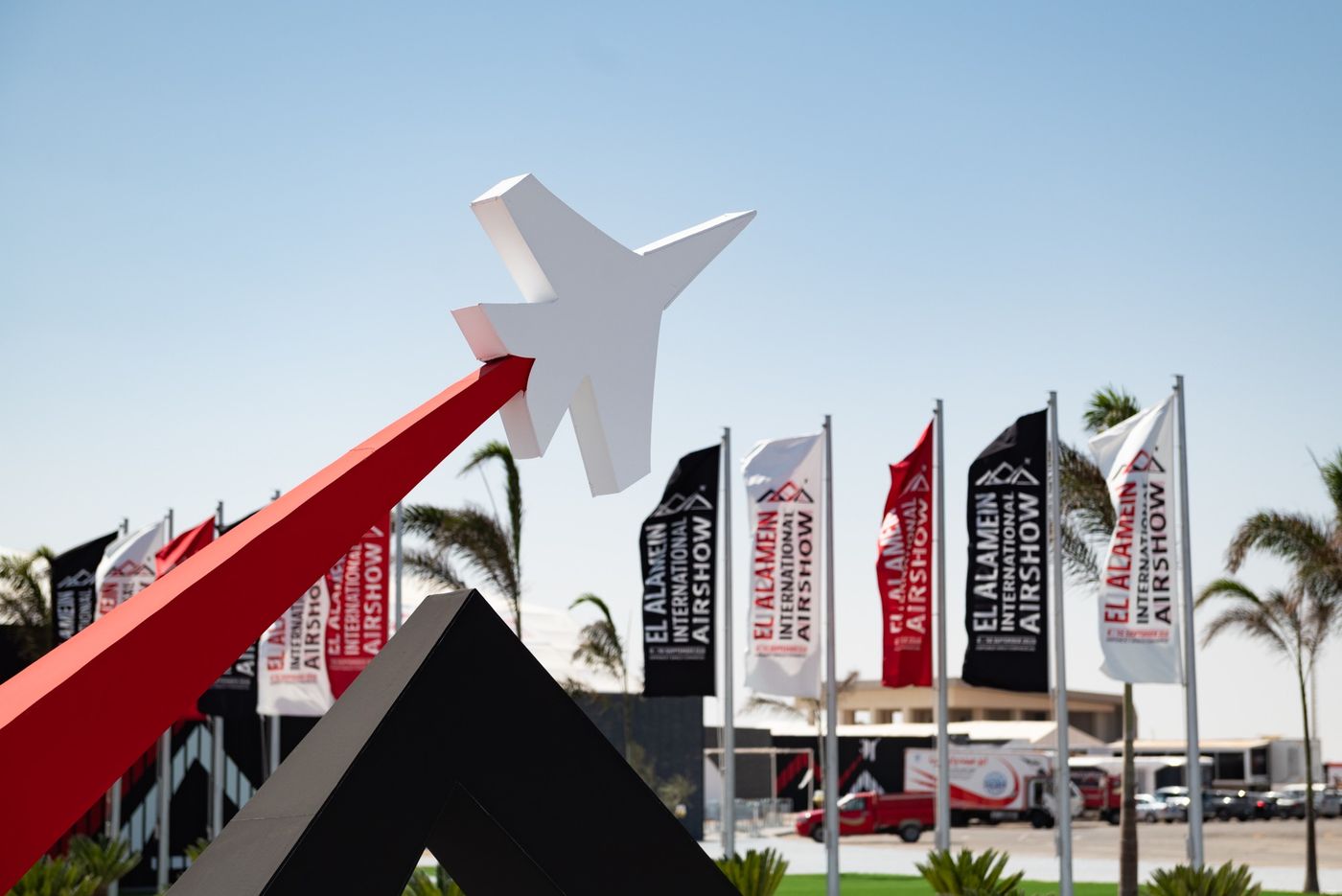
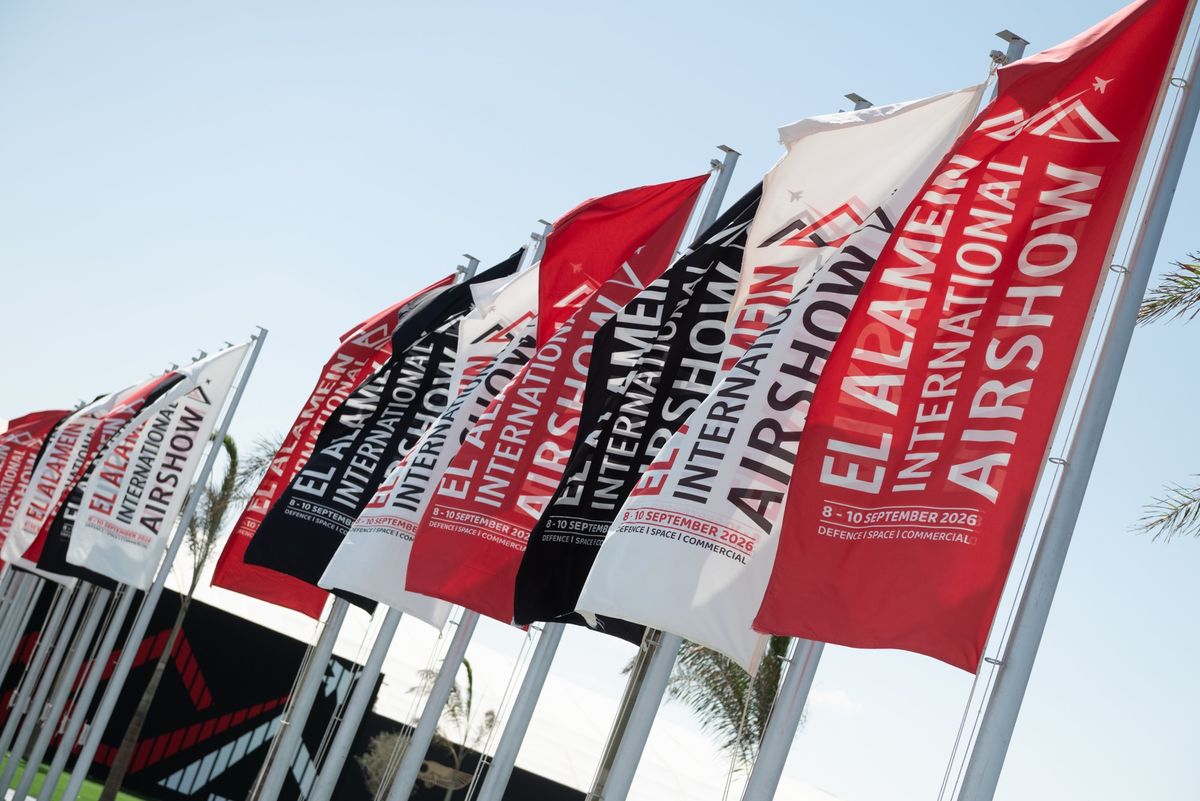
I spent three days filming the El Alamein International Airshow in Egypt, 8 to 10 September, working under Orchestra Media's accreditation for Orchestra and Bridge Exhibitions. Second edition of the show, held at El Alamein International Airport on the Mediterranean coast, with the Egyptian Ministry of Defence, the Egyptian Air Force, the Ministry of Civil Aviation, the Egyptian Space Agency and EgyptAir all behind it. Over 200 exhibitors. Delegations from more than 80 countries.
It is a very different job from a corporate shoot in a hall, and most of what makes it hard has nothing to do with cameras.
Who I was filming for
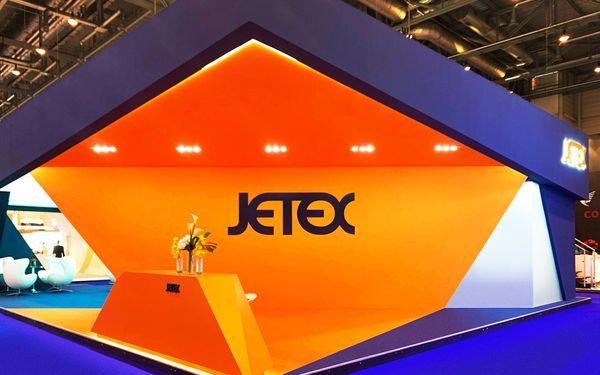
Bridge Exhibitions works out of Dubai Media City and handles event management, international sales, marketing and market development for exhibitions. It was created by Arabian World Events and Orchestra Media, and it is active across defence and aerospace, security and cyber, and technology and AI, with EIAS in its portfolio alongside shows like EDEX, IDEX, GISEC, LIMA and LAAD. Orchestra Media designs and builds the stands for brands in those same sectors.
So on a show like EIAS, one side sells and represents the event internationally, the other builds what exhibitors stand in. My job sat across both.
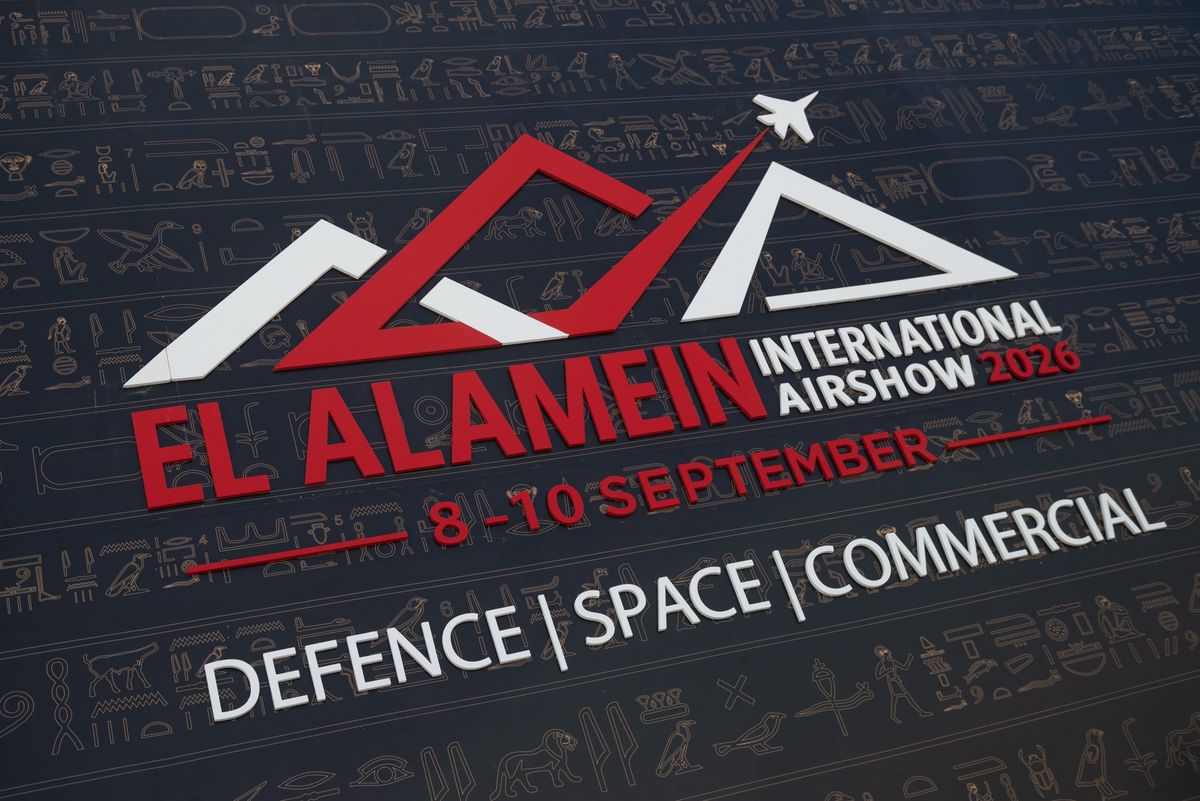
My brief covered the content coming off the floor across all three days. Two things had to happen at once: cuts going out daily while the show was live, and a full film assembled afterwards. Those are different jobs with different rhythms, and trying to do the second without planning for the first is how crews end up with beautiful footage that arrives too late to sell anything.
I came home with about 50GB of material.
Three days is not three days
Here is what nobody accounts for. A three-day show is really a five-day job, and the two extra days matter more than the show days.
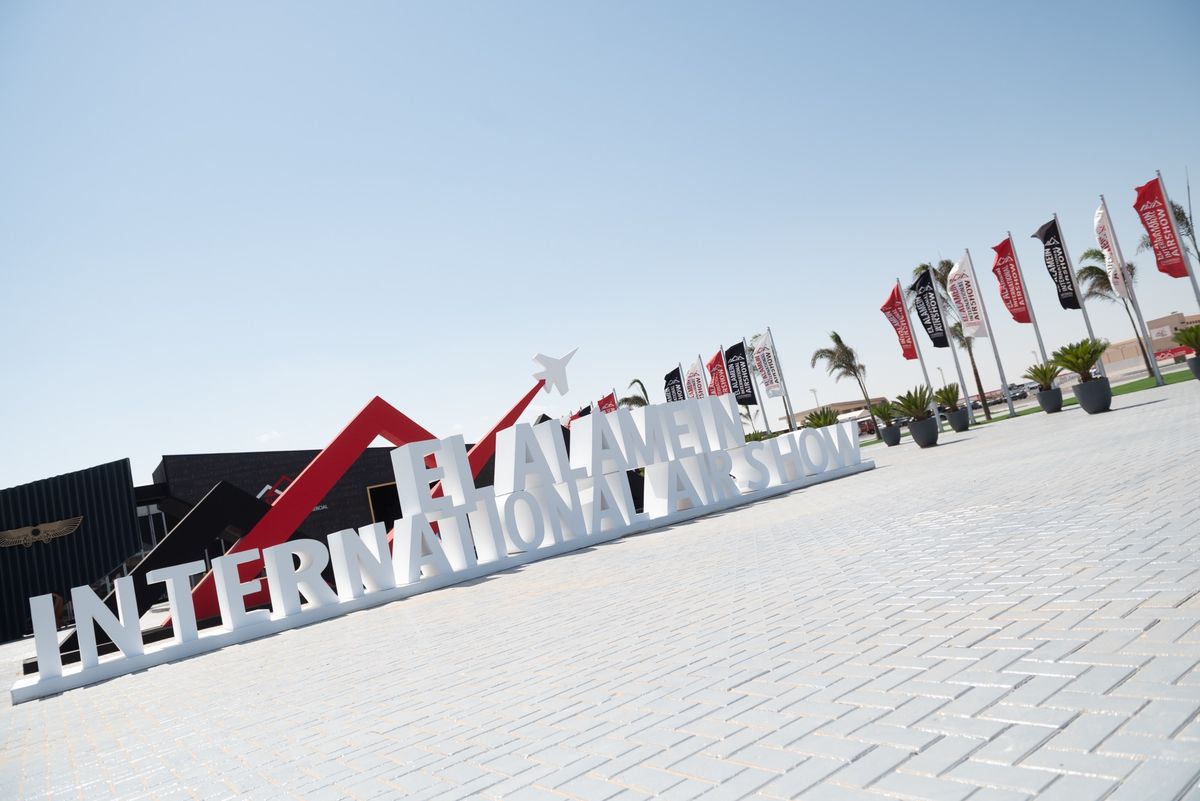
You need the day before. Stands are still being built, the floor is empty, and that is your only chance at clean wide shots of a booth without forty people walking through frame. Every good stand shot I got at El Alamein was recorded before the doors opened. Once the delegations arrive, you cannot compose anything wider than a two-shot.
Then you need the day after. The daily cuts go out during the show, but the main film gets built once you are out of the field and can actually look at what you have.
The sound problem, which is the real problem
At a normal exhibition, the enemy is the noise floor. Neighbouring stands, announcements, reverb off a hard ceiling.
At an airshow, the enemy is a fighter jet doing a low pass over your interview.
You cannot schedule around the flying displays. They are the whole point of the event and the delegates are outside watching them. So you work in the gaps and you build in redundancy. DJI wireless mics on everyone, always. Never the on-camera mic, which at an airshow gives you a clean recording of Egypt’s air force and nothing usable of the person speaking.
The practical answer is to put interviews inside, away from the apron, in a meeting room or the back of a stand, and to accept you will lose takes. I shot around ten interviews across the three days and expected to redo some of them.
The kit, and why it was that kit
Two Sony FX3 bodies for video, a Sony A7S III for stills, a DJI gimbal, DJI wireless mics, and basic lighting.
Nothing exotic, and that is deliberate. On an apron in September you want bodies that run hot without complaining and a setup you can move fast with. The FX3 handles the mixed light on a show floor better than anything else I would want to carry through security twice a day. The gimbal earns its place walking stands, because handheld through a crowd at an airshow looks like handheld through a crowd.
Lighting stayed minimal. Big lighting setups at a defence show mean stands, cables, and a conversation with whoever is escorting you about why there is now a trip hazard next to a national pavilion.
Heat and dust are equipment problems
El Alamein in September, on an airport apron, in the sun. Batteries drain faster than they should. Sensors get hot. Sand finds its way into anything with a moving part, and a lens change outside is a genuine risk to the camera.
None of this is dramatic if you have planned it. More batteries than you think you need. Lens changes indoors only. Everything wiped down at the end of each day.
Access, escorts and what you can point a camera at
This is what separates a defence or aerospace show from a commercial one, and it is where crews who have not done it get into trouble.
You are on a military airfield, with government ministries hosting, and national delegations moving around the site. Not everything is filmable, and the rules are not always posted. Certain aircraft, certain stands, certain delegations. Sometimes the answer changes during the day.
I worked under Orchestra Media's accreditation, which matters more than it sounds. Being attached to the agency running the exhibitor side of the show means you are a known quantity on the floor, and doors that would take an hour of explaining just open.
Two things I would tell anyone doing this for the first time. Ask before you shoot, every time, even when you think it is fine. And build a working relationship with whoever is escorting you on day one, because that person decides how much you actually come away with.
No drone. Airshows run active flying displays in controlled airspace, and a military venue adds another layer on top. Aerial coverage at these events is the organiser’s call, not the crew’s. If someone pitches you drone footage at a defence airshow, ask them who cleared it.
Why this kind of work gets booked out of Dubai
The Gulf and North Africa show circuit runs on a handful of organisers and agencies, most of them headquartered in Dubai, and they need crews who can travel with them. EIAS in Egypt in September. IDEX and NAVDEX in Abu Dhabi. Dubai Airshow. GITEX. The same production questions come up at every one, and the crews that get rebooked are the ones who already know the answers.
If you are planning stand coverage or event content for a show in the region, get in touch. I will tell you what is realistic for your dates.
More on the practical side: filming permits in Dubai covers the regulatory layer, and exhibition video in Dubai covers what is worth filming at a stand and when to book.
Frequently Asked Questions
Who filmed the El Alamein International Airshow 2026?
I covered EIAS 2026 across all three show days, 8 to 10 September, working under Orchestra Media’s accreditation for Orchestra Media and Bridge Exhibitions, who handle the international sales, marketing and exhibitor side of the show.
What is different about filming an airshow compared to a trade show?
Audio, access and conditions. Flying displays make outdoor interviews unusable, so interviews move indoors and into the gaps in the flight programme. Access is controlled because it is a military airfield, so some aircraft, stands and delegations cannot be filmed. And heat and dust on an apron are real equipment risks.
Can you fly a drone at an airshow?
Generally no. Airshows run active flying displays in controlled airspace, and military venues add another layer of restriction. Aerial coverage at these events is arranged by the organiser, if at all. Plan ground-based coverage. There was no drone at EIAS 2026.
How far in advance should you book a crew for an international airshow?
Earlier than for a standard exhibition. Accreditation and access approvals for defence and aerospace shows take weeks, and the regional calendar clusters, so experienced crews commit months ahead.
Does Tanit Studio travel outside the UAE for shows?
Yes. EIAS was in Egypt. The regional circuit runs across the Gulf, North Africa and beyond, and travelling with the client is normal for this kind of work.