Key takeaways
- The brief
- A crew of one
- Directing people who aren't actors
- Who ended up in the film
- Building the story: one stay, start to finish
"There are places the world hasn't caught up to yet, where the clock slows down, then stops mattering at all. This is one of them."
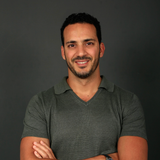
That's the opening line of my latest film, a short documentary for Mount Med Resort, a longevity resort in the Austrian Alps. I wrote it and I voiced it. I tried an AI voice first, but it didn't give me the feeling I wanted, so I recorded it myself.
I shot the whole thing alone, over a few days on location, with six people from the Mount Med team and not one actor. Here's how.
The brief
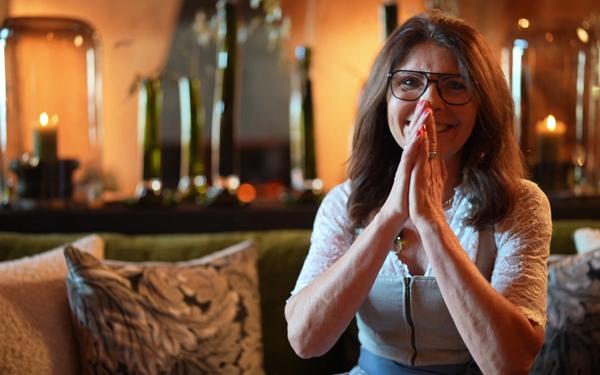
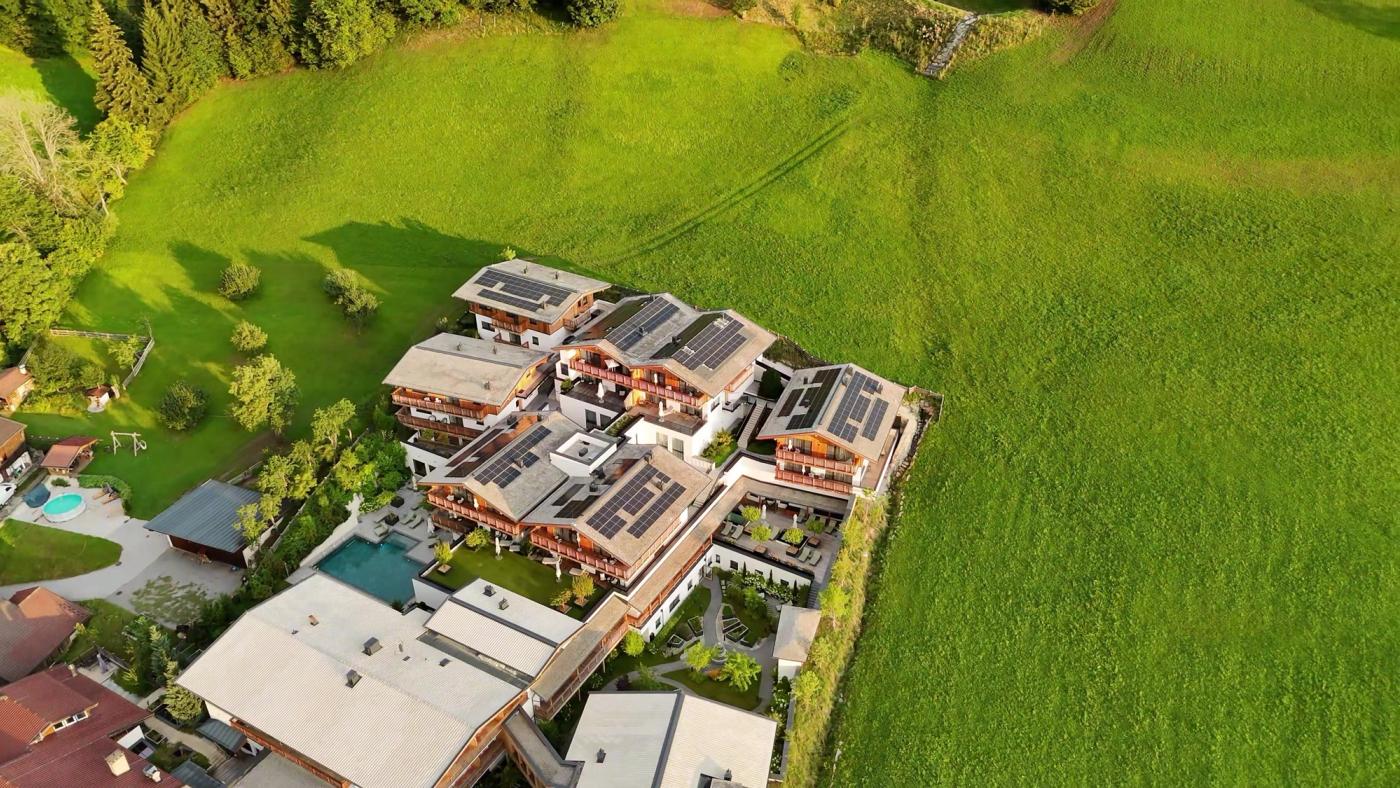
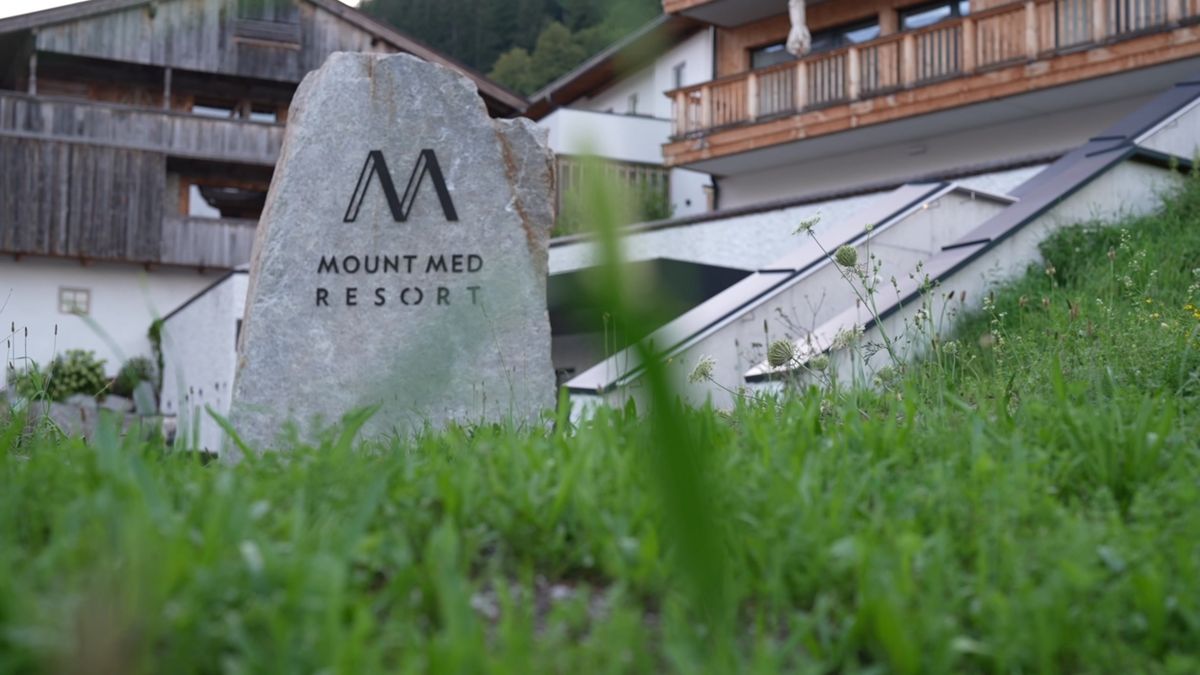
Mount Med sits in Oberau, in Tyrol's Wildschönau valley. Its general manager, Heide Perndorfer, sums it up in the film better than I could: "We have a medical clinic in a luxury well-being facility." Diagnostics, doctors, an anti-inflammatory kitchen, and a five-star resort wrapped around all of it.
They didn't want another clinic video. They wanted people to feel what a stay is like before they book one.
Wellness marketing is full of slow-motion spa shots and a soft voice promising balance. Everyone has seen that video, and everyone scrolls past it. So I set two rules: no actors, and no scripted lines for anyone on camera. The people who work there would carry the film.
A crew of one
I travelled from Paris and shot everything myself. No crew, no assistant. I wasn't rushed, so I didn't need one, and the hotel staff gave me a hand whenever I needed an extra pair of arms.
I had camera, lights and backups for everything. The one thing I couldn't plan was the weather. Rain pushed some outdoor scenes back a day. The next day was beautiful, and I got them.
Directing people who aren't actors
Earlier in my career I worked as a casting director. Briefing people and getting something real out of them is the part of this job I know best, and at Mount Med it mattered more than any lens I packed.
Some of the six were nervous. So I don't run it like an interview. It's two people talking. Everyone's different, so I start by stepping into their world until they trust me.
I talk to them from behind the camera and keep rolling while we chat, before the "real" take even starts. People relax once they forget the lens is there, and that's usually where the best shots come from. When someone tensed up, I changed the subject until they loosened again.
No interview ran longer than three minutes. I almost always keep the first or second take, because that's when people sound most like themselves.
Who ended up in the film
Heide holds the story together. Around her are Danijela Peer from the fitness team, massage therapist Yaroslava Hangha, receptionist Sabine Woydt, the chef, and Ioan Olimpiu Lazar, who you'll meet behind the bar.
Sabine has one of my favourite small moments. Asked what brings her in every day, she doesn't talk about the concept. She says she loves the guests.
Building the story: one stay, start to finish
After a couple of days there, the order of the film was already in my head. I could see something beautiful in every corner, and honestly, there's a lot more I could have shown. But a brand film has to hold attention, so I kept it under seven minutes.
About an hour of footage became 6 minutes 44 seconds, and the edit took one full day. The film follows a stay, so the viewer walks through Mount Med instead of reading a list of services:
- Knowing where you stand. Heide opens on diagnostics. Change starts with a baseline.
- Settling in. Danijela explains why a stay here is a journey back to yourself, not just a holiday.
- Choosing your path. Yaroslava lays out the options: medical, holistic, or just good food, good company and hiking. Then Heide adds the line that matters most: "It is essential that we find a plan for you that is doable."
- Medicine and food. The clinic inside the resort, and the CellBalance nutrition program, which grew out of Dr. Alexander Papp's research into anti-inflammatory food about ten years ago.
- The bar. Under a minute of cocktails with no alcohol.
- The mountains. The film ends outside, where the whole program makes sense.
There's always a next step, and that's what keeps people watching.
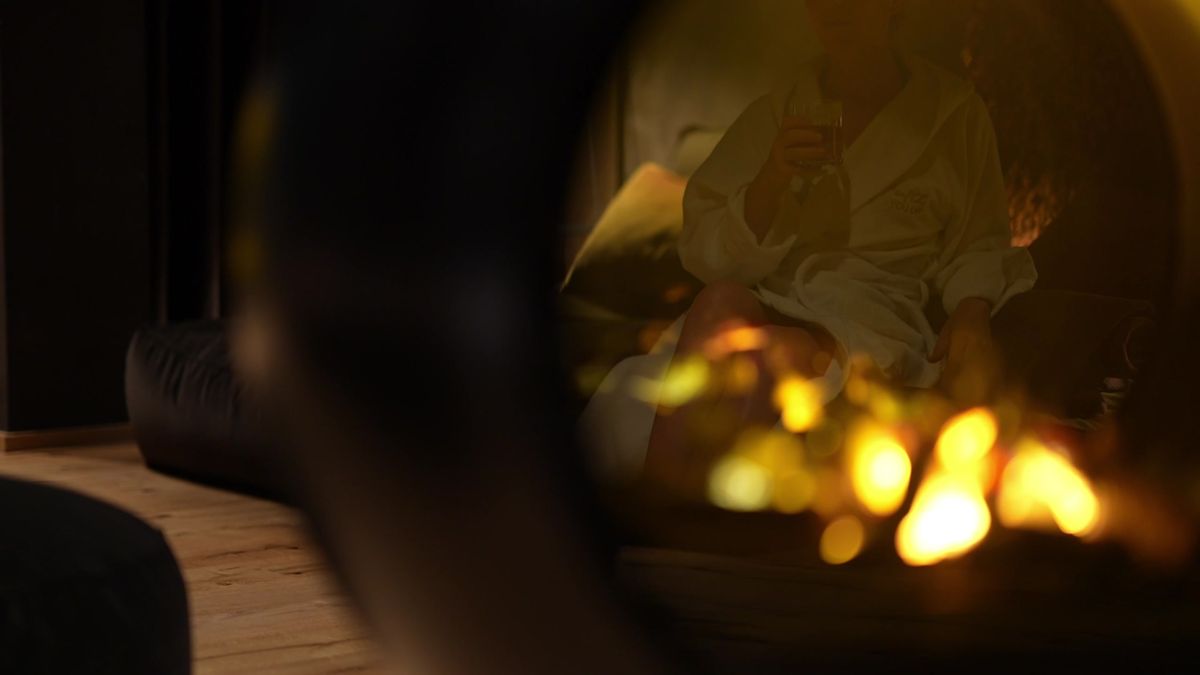
The scene I cut the most
People remember details, so I went looking for them.
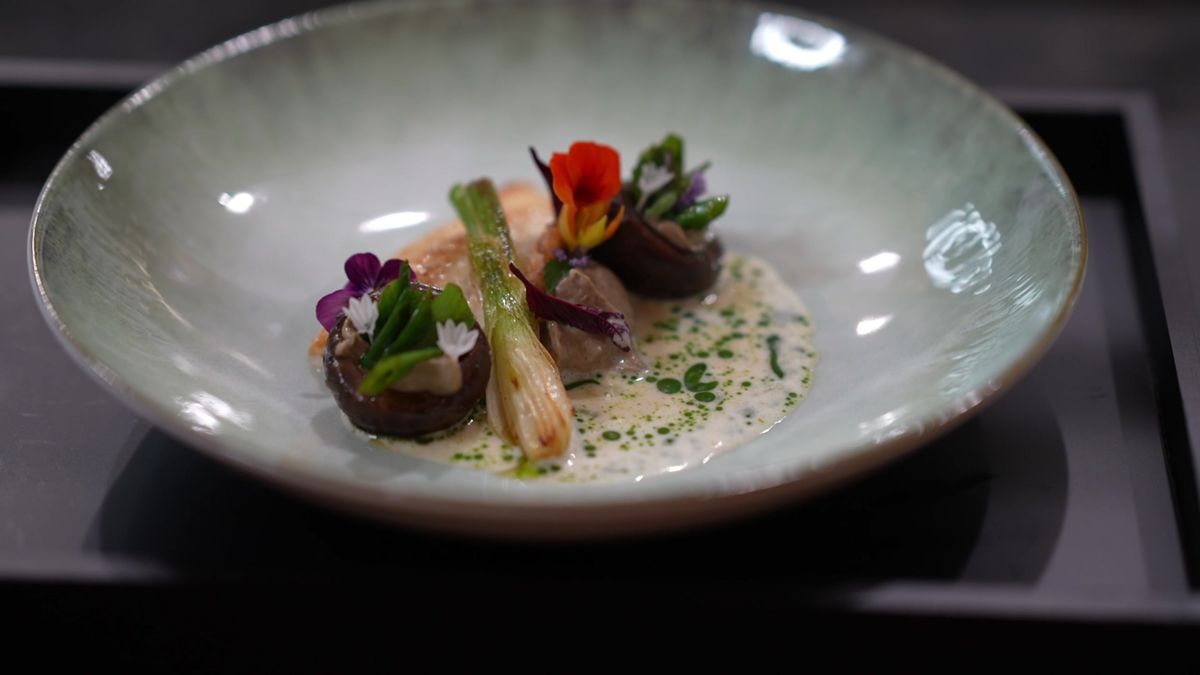
The chef's goal is simple: plate food that looks normal, so nobody feels like they're on a diet. He mentions on camera that they already have a Michelin Guide recommendation, and that they hope the star comes soon.
Then there's Ioan Olimpiu Lazar, the chef de rang, and he was one of the best people I filmed. The resort's food runs close to keto, so the drinks have to follow: extremely low in sugar, or none at all. He showed me how they rebuild pretty much any cocktail you'd order in normal life, without alcohol and without sugar. He went through every drink, its history, where it comes from, the story behind it. He was amazing.
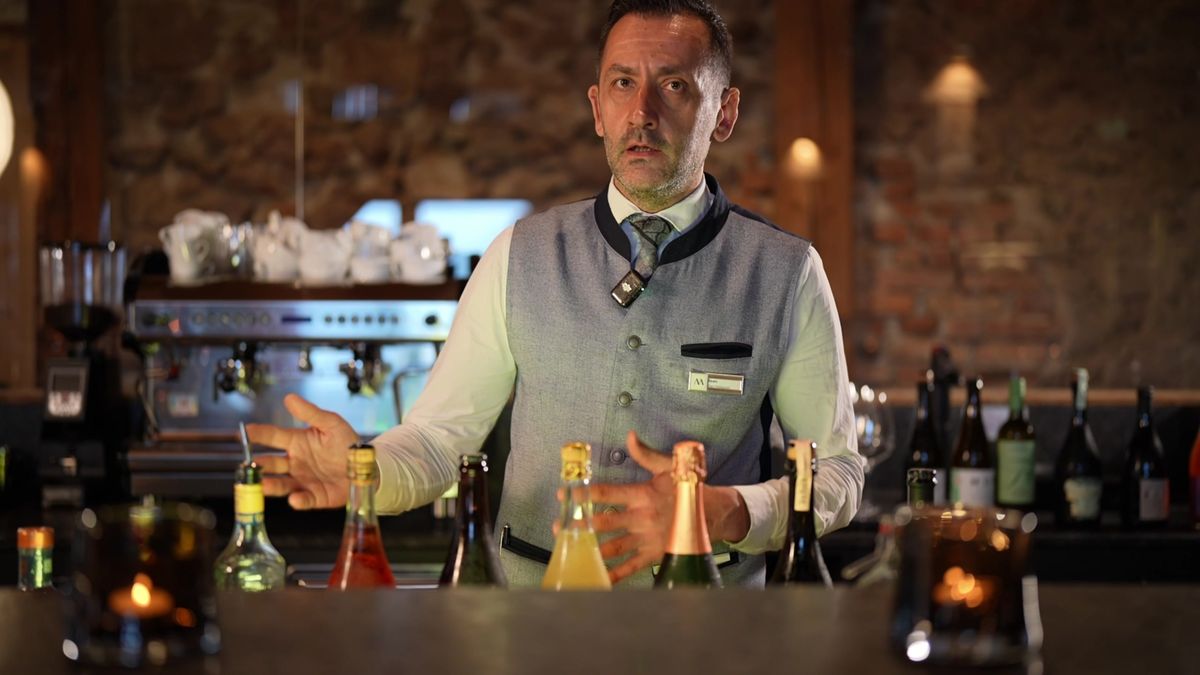
Most of it stayed on the cutting-room floor, because the flow of the film matters more than any single scene. That's the hardest call in the edit. What's left runs under a minute, and it explains "longevity resort" better than the word itself.
Letting the place do the talking
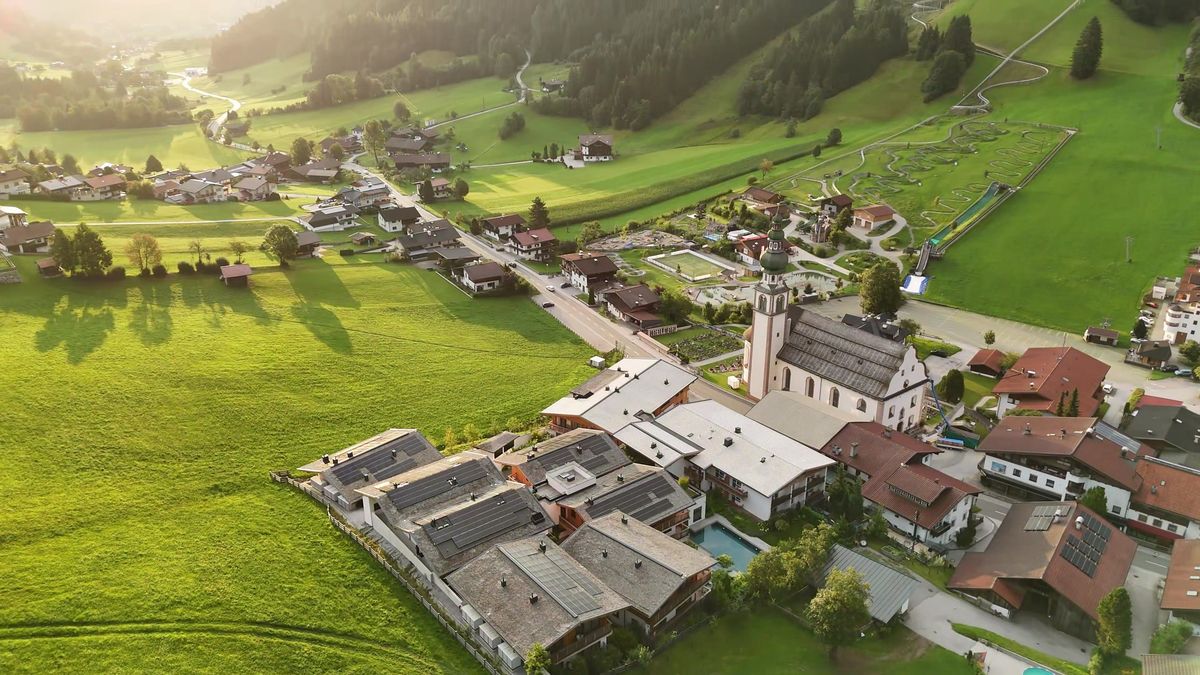
The last chapter belongs to the mountains. I shot it on the ground and with a drone, and let the valley carry the ending.
It's a story choice too. Heide says it herself: "We cannot do such a program in a busy city." A little later: "Healing is only possible when you have stillness." So the film ends where the guest ends up, outside, on the walks that start right at the hotel door.
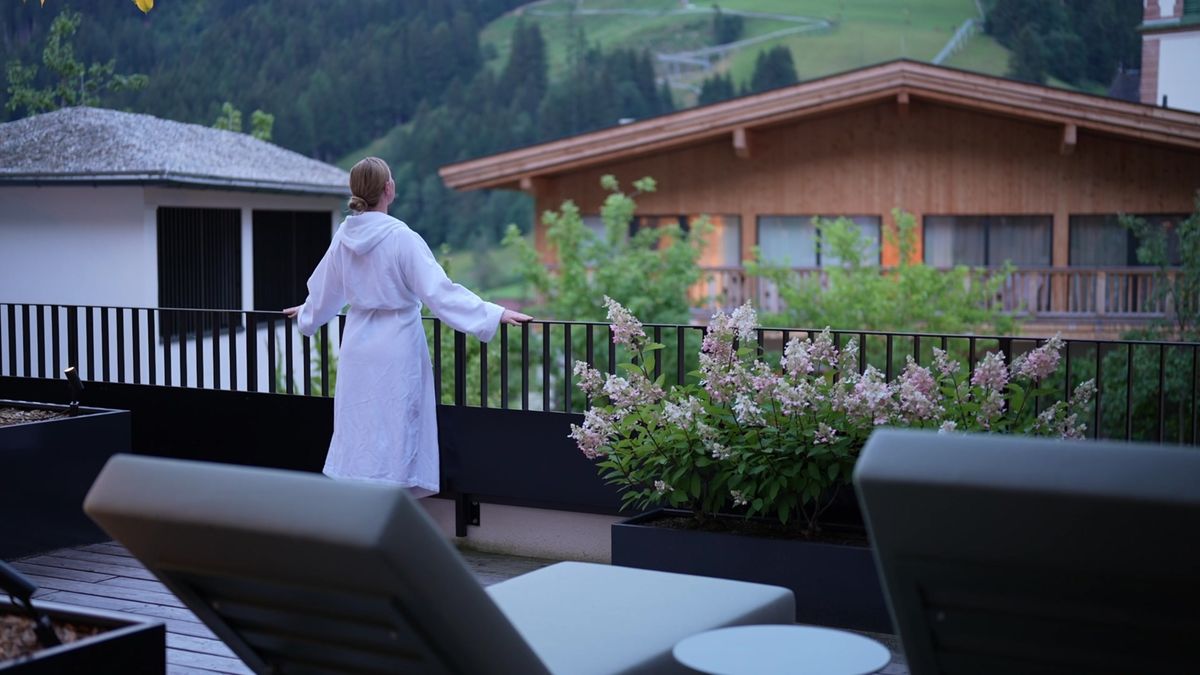
Golden-hour light, the real sound of the place and a quiet score do the rest. The feedback from Mount Med's marketing team and staff was simple: they loved it.
What this means for your brand
For me, storytelling is a series of decisions. Most of them happen before the camera rolls, a few in the edit. Here's what Mount Med confirmed:
- Put your own people on camera. They know the story better than any script, and the first take is usually the truest.
- Follow your customer's path. Build the film around what they actually go through, step by step.
- Find the surprising detail, then cut around it. At Mount Med it was cocktails with no alcohol.
- Give your place a role. Where you work is part of what you sell.
If you're weighing a film like this against a classic ad, I compared the two in brand film vs commercial.
FAQ
How long does it take to shoot a short brand film?
For Mount Med, a few days on location and one full day of editing, for a film just under seven minutes. A bigger crew can compress the shoot when the schedule is tight.
Do you need actors for a corporate video?
Not if your team is willing. Real staff bring a conviction actors can't fake. The work is in directing them, which is why I keep interviews short and usually keep the first or second take.
Can one person shoot a professional brand film?
Yes, when the schedule allows it. I shot Mount Med alone, with lights and backup gear, because I had time on location and help from the resort staff. Tight deadlines or multi-camera events need a bigger crew.
Your story is already there
Most businesses have a film like this one hiding behind a product photo. I find it, then I shoot it: concept, filming and editing, from Paris, Dubai or wherever the story is.
If you want to see the same approach on a very different job, here's how I filmed three days at an airshow in Egypt, and what's actually worth filming at an exhibition.
Planning a brand film? Tell me about it.